





























Handmade saponified soap has become one of the most rewarding craft businesses to start, combining creativity, chemistry, and genuine customer demand. Whether you're thinking about launching a soap line or expanding an existing product range, understanding the benefits of saponification and the business opportunity it presents can help you make an informed decision.
What Makes Saponified Soap Special
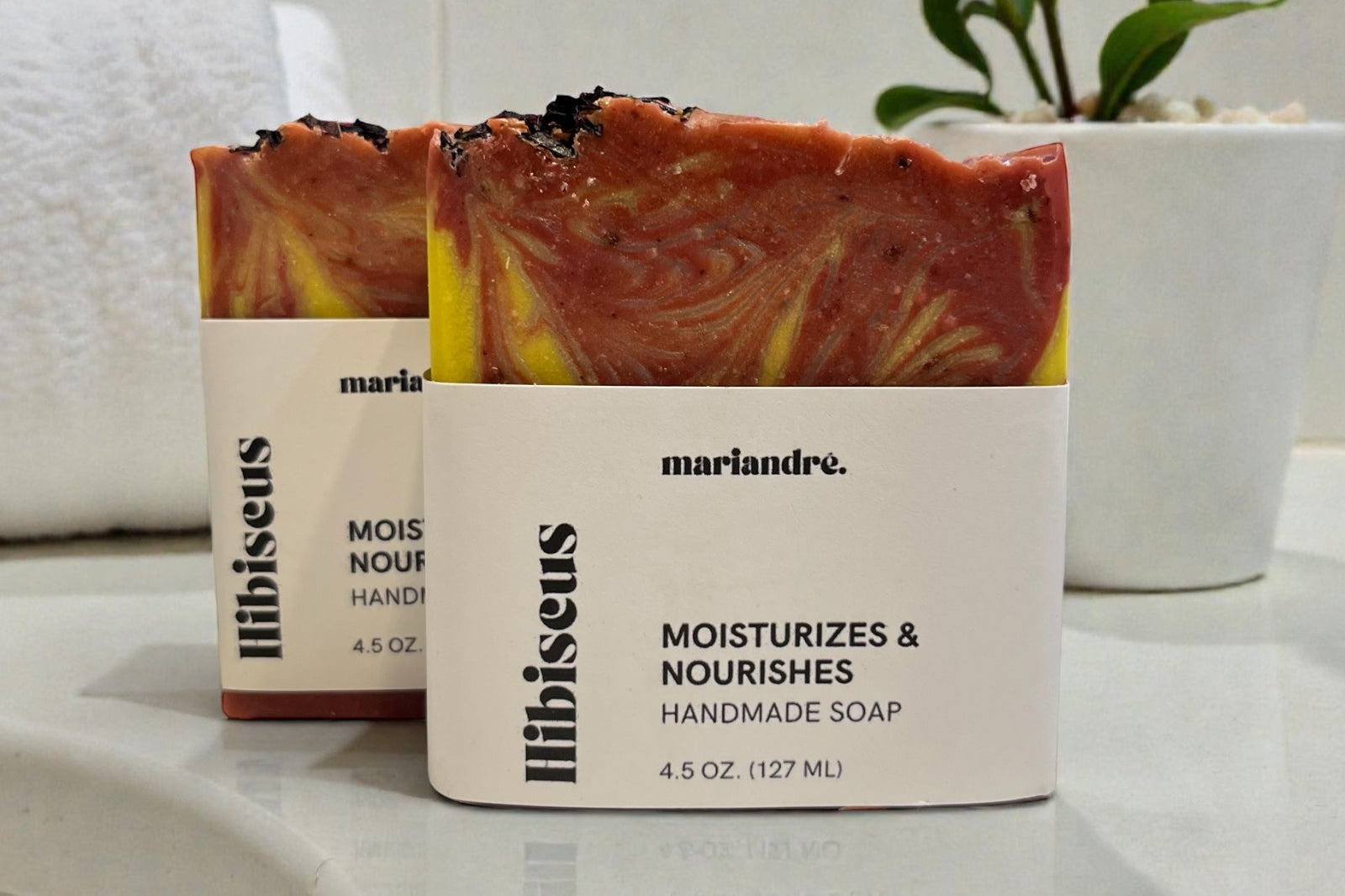
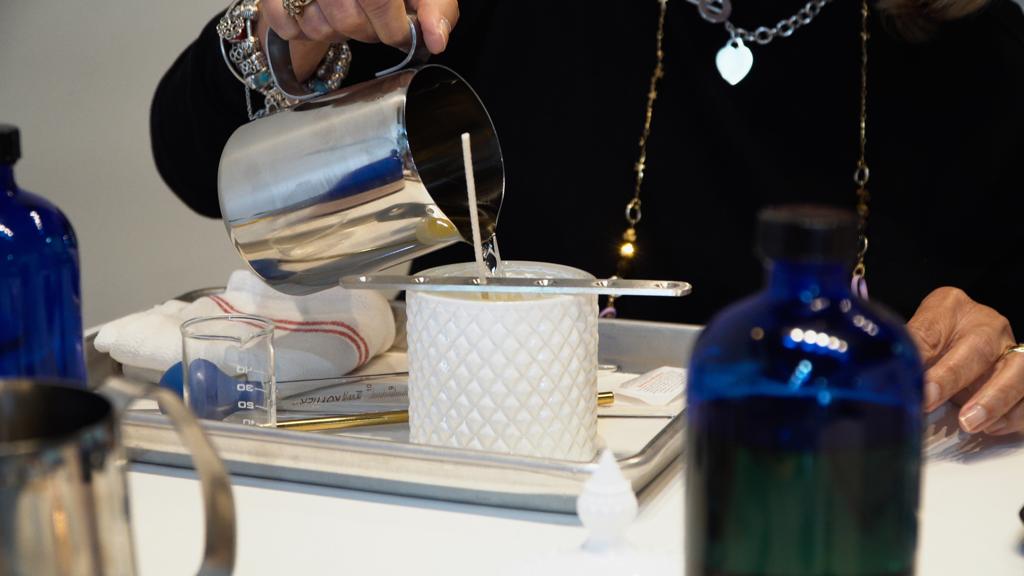
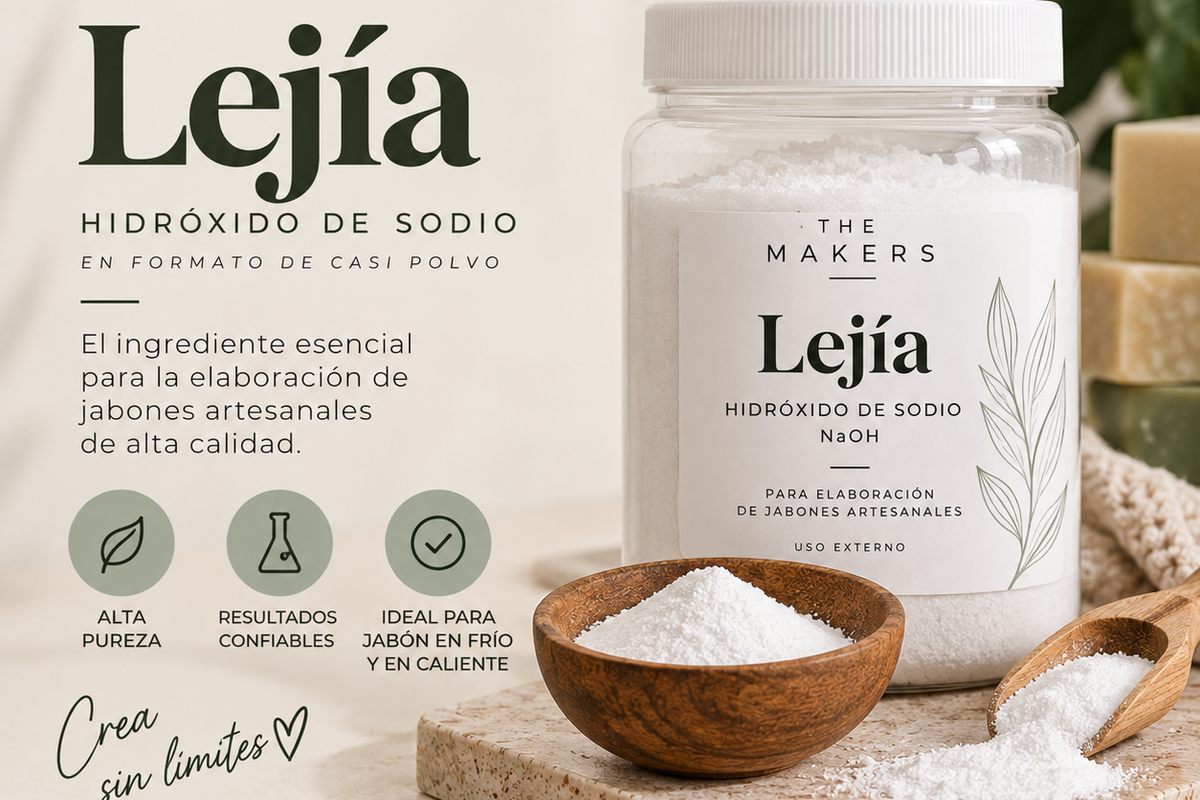
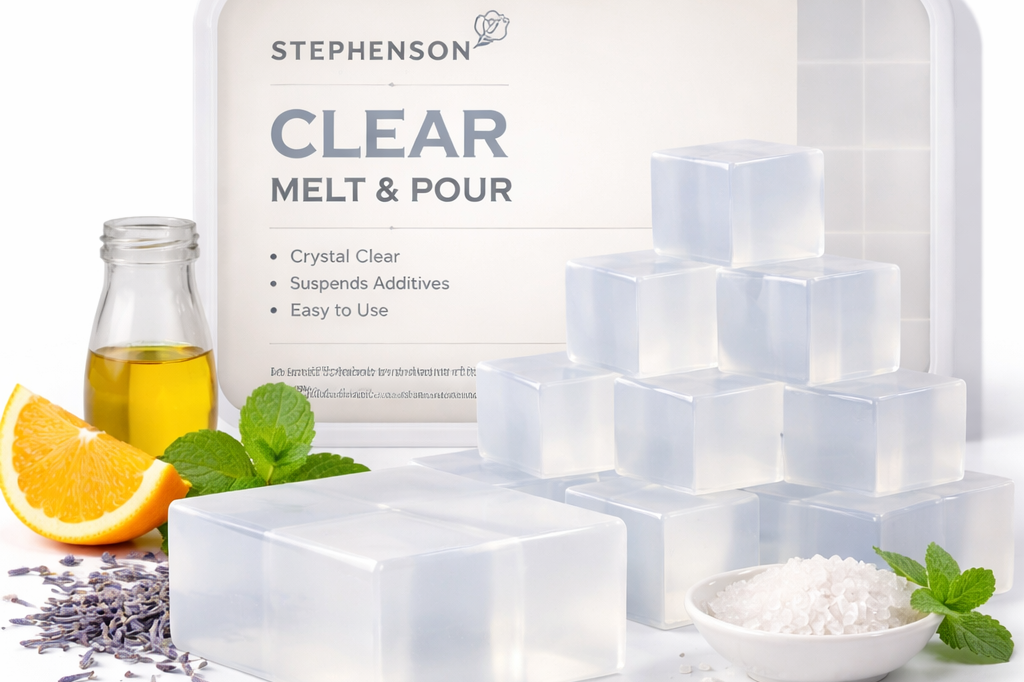
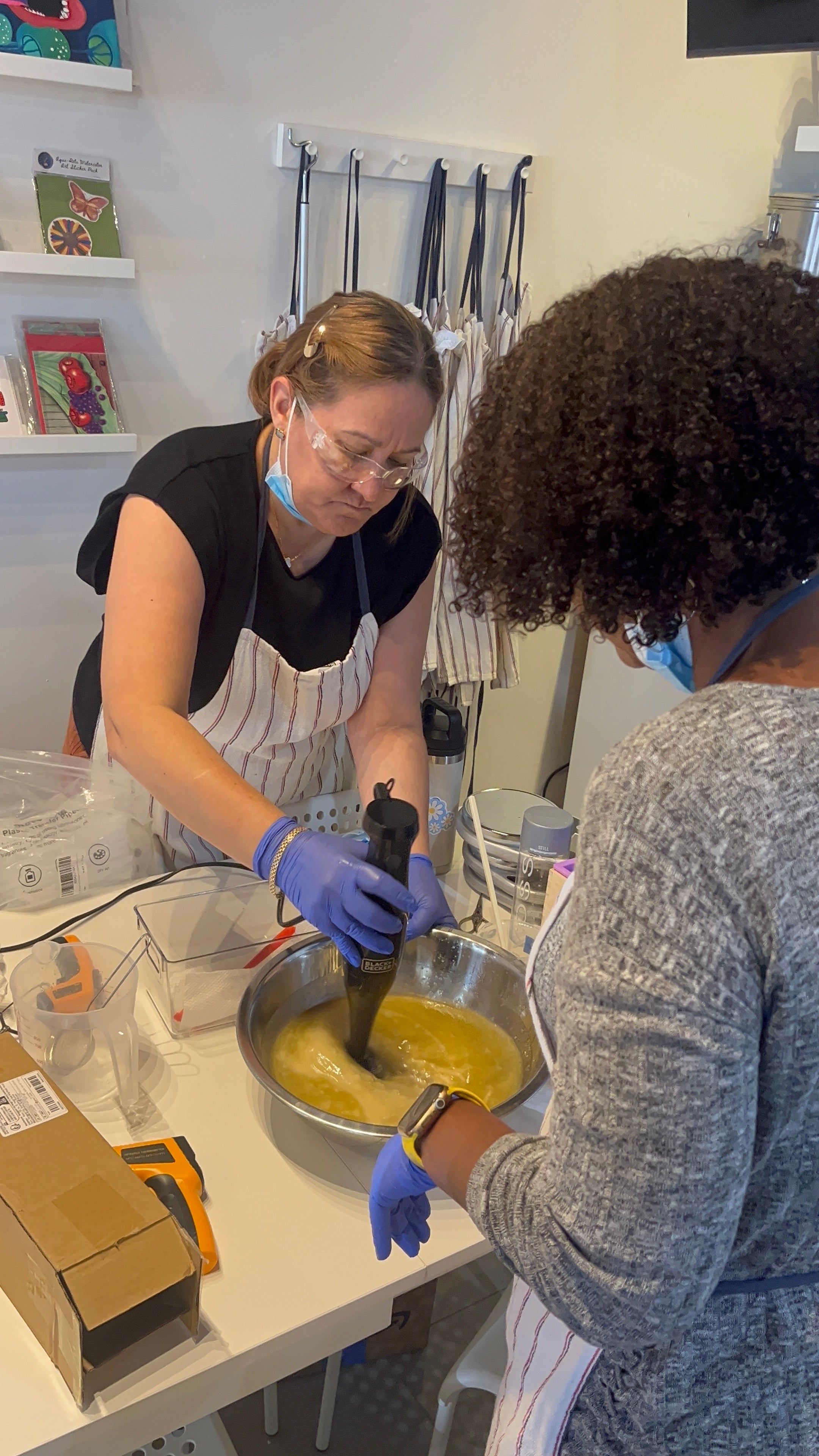
Saponification is the chemical process where oils and fats react with lye to create soap and glycerin. Unlike melt-and-pour bases or commercial detergent bars, true saponified soap is crafted from scratch, giving you complete control over ingredients, scent profiles, and skin benefits. This authenticity resonates deeply with today's conscious consumers who seek transparency and quality in their personal care products.
Handmade saponified soaps are gentler on skin because they retain natural glycerin—a byproduct of the saponification process that commercial manufacturers often remove and sell separately. This means your customers get a naturally moisturizing bar that doesn't strip away skin oils, making it ideal for sensitive skin types and those looking for sustainable alternatives to mass-produced options.
The Business Opportunity
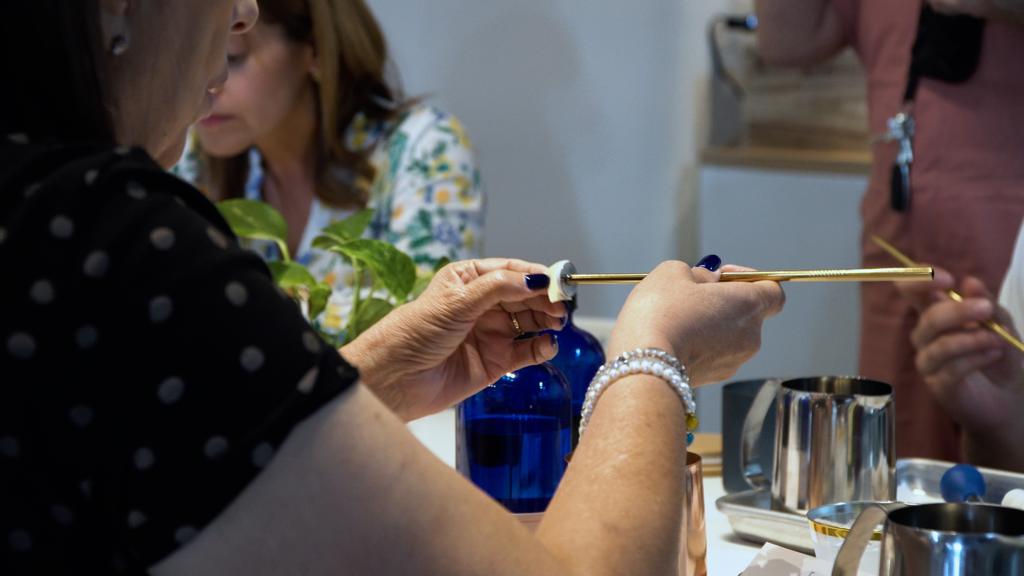
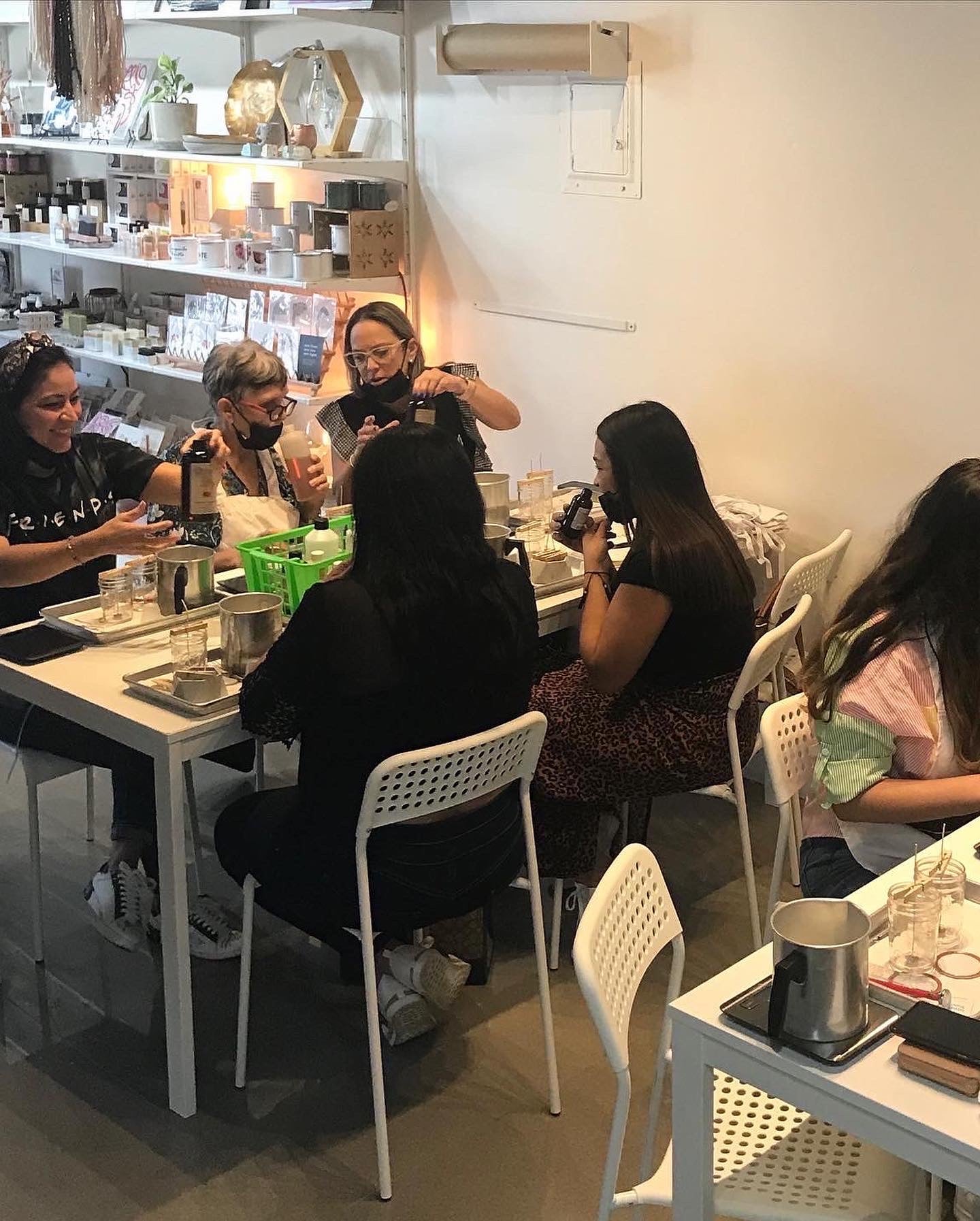
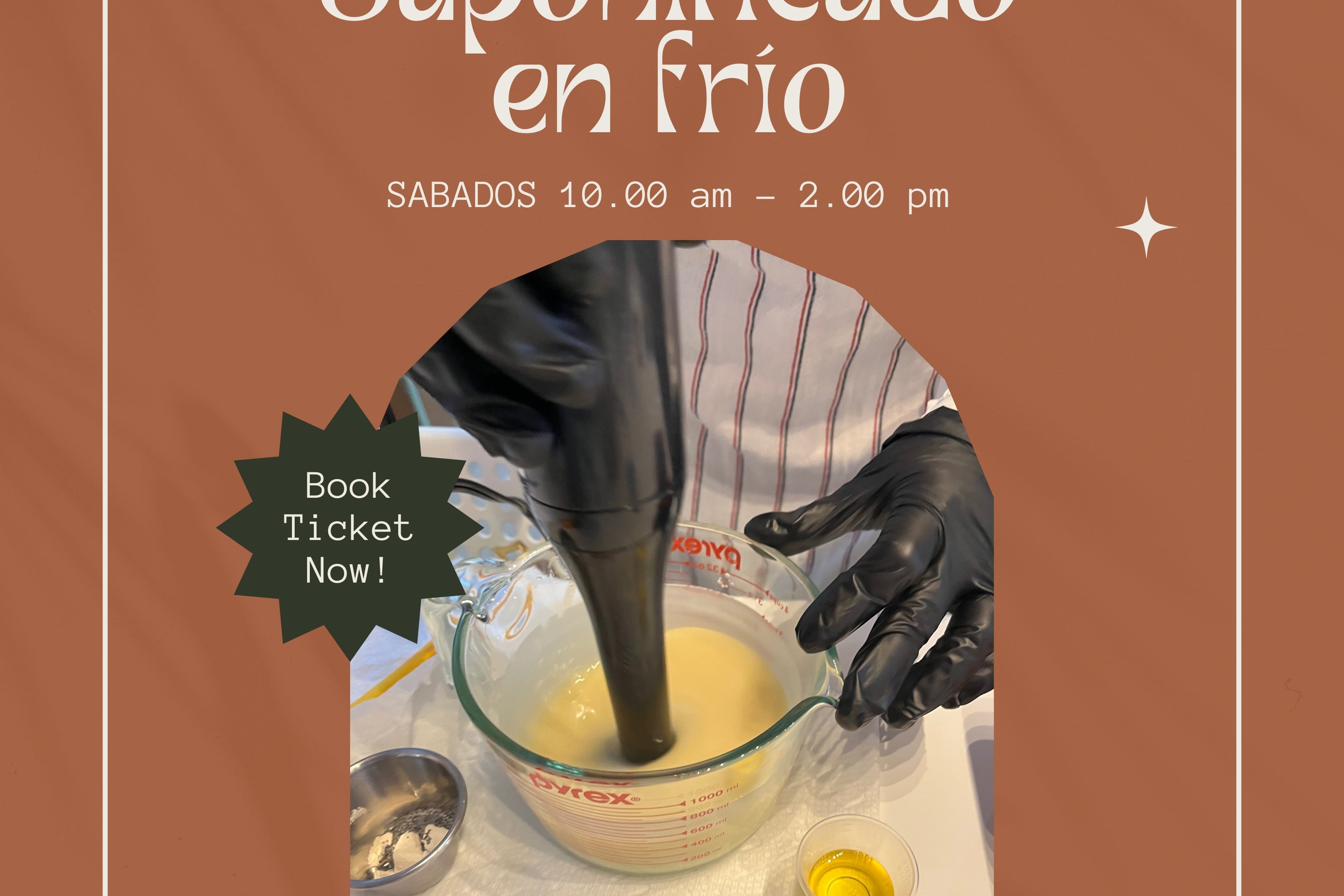
The global handmade soap market continues to grow as consumers shift away from synthetic products toward natural, artisanal alternatives. This creates multiple revenue streams for makers: direct-to-consumer sales through online stores, wholesale partnerships with boutiques and spas, subscription boxes, corporate gifting programs, and experiential offerings like soap-making workshops.
Starting a saponified soap business requires lower overhead than many craft ventures. Initial investment covers quality oils, lye, molds, and packaging—all relatively affordable. Your profit margins can be substantial, especially when you build a loyal customer base and develop signature scents or specialty formulations that command premium pricing.
Why Customers Choose Handmade Saponified Soap
Consumers are willing to pay more for handmade soap because they understand the craftsmanship involved. Each batch requires knowledge, precision, and time. Customers appreciate the story behind their purchase—knowing that a real person formulated and created their soap creates emotional connection and brand loyalty.
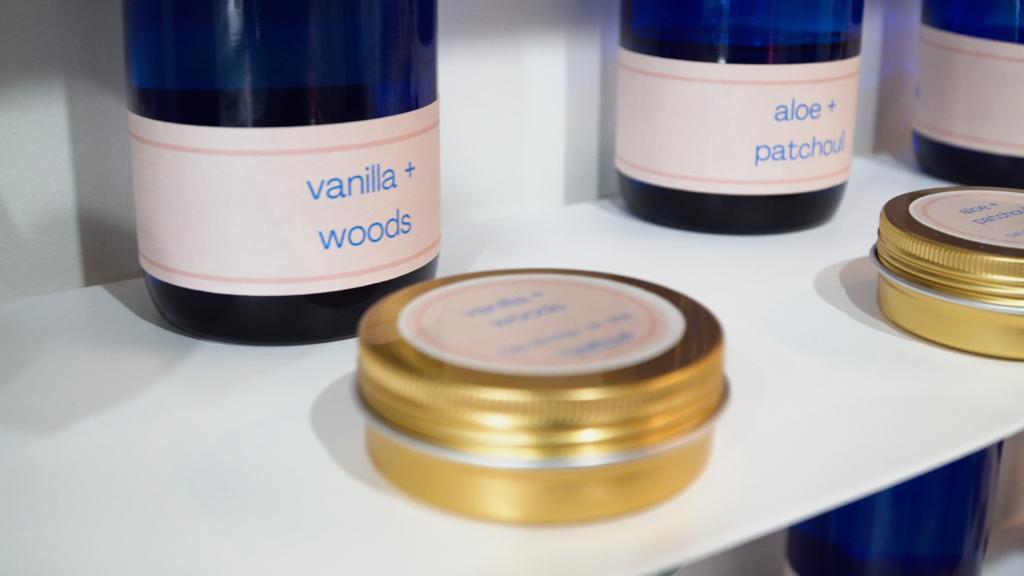
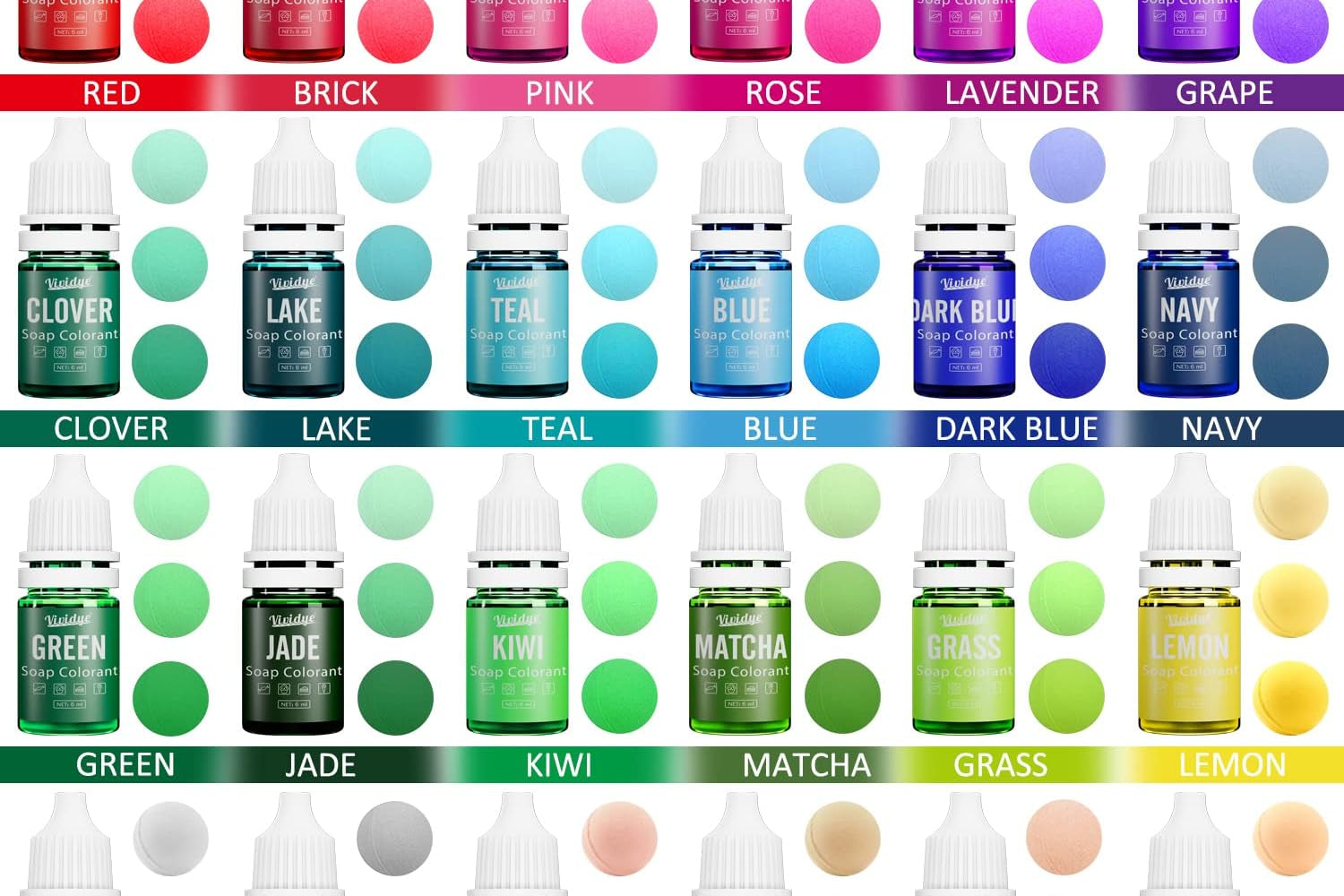
Saponified soaps also offer customization opportunities that appeal to niche markets: vegan formulations, specific essential oil blends for wellness benefits, exfoliating additions, or soaps designed for particular skin conditions. This flexibility allows you to differentiate your products and build a dedicated following.
Building Your Soap Business
Success in handmade soap requires education and consistency. Invest time in mastering the cold-process or hot-process saponification methods, understanding oil properties, and learning proper safety protocols with lye. Quality control ensures every bar meets your standards, which builds trust and encourages repeat purchases.
Marketing your soap business is straightforward because the product tells its own story. High-quality photography, transparent ingredient lists, and authentic customer testimonials are powerful tools. Consider offering sample sets, seasonal collections, or limited-edition scents to create urgency and encourage exploration.
Whether you're launching a full-time soap business or adding saponified soap to an existing product line, the combination of creative fulfillment, customer appreciation, and solid profit potential makes it a compelling opportunity for artisans and entrepreneurs alike.
